
From aviation to cyber security at DNB
‘I collect information on cyber threats and compile threat assessments based on reports and data. Then I analyse everything to get a weighted picture of potential threats to the Dutch financial sector. It is analytical work, where you are constantly identifying links and making connections. My team also supervises ethical hacking tests: we mimic attacks by malicious hackers on financial institutions’ systems to help them boost their cyber resilience. The Bank of England was first with such tests. We followed, and it was truly groundbreaking work in the Netherlands. Meanwhile, other countries both in Europe and further afield are also doing these tests. These days, ethical hacking is more relevant than ever.’
‘Such tests and threat assessments make financial institutions stronger and more resilient, keeping threats at bay and preventing incidents. In the unlikely event that something does happen, such as a major ATM network breech, our crisis management cluster responds to the crisis immediately to limit its impact. I coordinate the group of cyber experts from throughout the sector who advise on such crises.’
From aeroplanes to digital threats
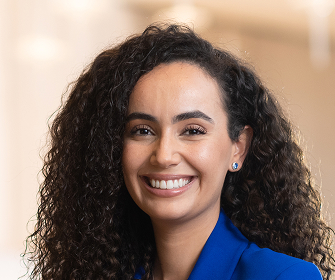
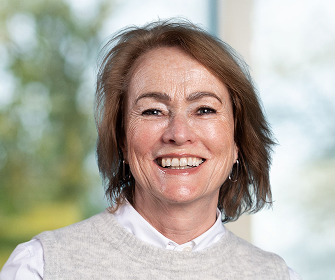
Christel has no background in IT. She studied business administration at University College and worked at a big four accounting firm. She also worked for KLM for five years. ‘Working at KLM was a dream come true for me. I improved operational processes such as efficient loading and refuelling and, in winter, de-icing of aircraft for quicker turnarounds. During the pandemic, I arranged the transport of medical supplies, such as refrigerated COVID vaccines. It was an enjoyable, exciting job, but in the end KLM is a commercial organisation. Partly because of the pandemic, I realised I wanted to do something meaningful for society. The environment and general prosperity are also important to me.’
Our society relies heavily on digital systems. Cyber threats are often invisible to the general public: what you read in the newspaper is often just the tip of the iceberg.

Why DNB?
Christel made the switch three years ago. ‘At DNB, the issues include financial stability and access to payment systems. I found that really appealing. A former classmate tipped me off about a vacancy at DNB. I joined the “TIBER team”, which supervises ethical hackers who test the cyber resilience of financial institutions. Cyber security was new to me, but that is precisely what made it interesting. My work is far from boring: developments take place at lightning speed and all around us.’
How important is cyber resilience?
‘Our society relies heavily on digital systems. Remember how a while ago rogue hackers got their hands on the results of a population health screening? So many things are happening that affect all of us. If power or phone systems get knocked out, parts of society come to a standstill. Cyber threats are often invisible to the general public: what you read in the newspaper is often just the tip of the iceberg. A lot is going on behind the scenes, also involving state actors such as Russia, China and Iran. The details are generally not publicly disclosed. Such actors also take up strategic positions in critical infrastructure of other countries, think waterworks, power plants, airports, so that they can strike later at an opportune moment. It is difficult to find out exactly who is behind an attack, as these actors often pose as known criminals or hacktivist groups. They obviously do everything they can to make sure nothing leads back to them.’
‘Clearly, there is a lot of money to be made in the financial sector. There are also groups of hackers who are only after money. They use ransomware, which is still a real threat to financial institutions. One of DNB’s core tasks is to ensure financial stability. That’s why the Payments, Cash & Market Infrastructure division, which my team falls under, works with banks, insurers, pension providers and others to keep payments secure and accessible.’
Collaboration with other parties
‘We collaborate intensively with the financial sector on security issues, both public and private. We also provide input for policy, nationally and internationally, and share our knowledge and experience with the sector and with the central government.’
New challenges
The threat landscape is constantly changing. Cyber threats are becoming increasingly sophisticated, and partly due to AI, phishing emails are more convincing and numerous than ever. Those emails from a Nigerian prince written in poor English are a thing of the past. Using AI, anyone can act very credibly. That only makes our work all the more important.’
‘I feel right at home working in cyber security. It’s an amazingly dynamic field, you work with different parties – from banks to government agencies – so the work really has societal impact. That gives me a genuine feeling of satisfaction.’
View more DNB stories
-
Cyber and data Data & IT Willem‑Geert – Product Owner at DNB As a product owner at DNB, Willem‑Geert develops digital solutions that strengthen supervision and support a resilient financial system.

-
Graduates & students Wasilij - DNB Trainee Discover how Wasilij as a DNB trainee works on data analysis, policy and real societal impact in a dynamic setting.
-
Sustainability and climate Non-financial risk management Vera – Supervisor at DNB Vera supervises financial institutions and assesses risks to help maintain a safe, stable and resilient financial system.
-
Inflation Financial risk management Tom – Pension Funds Supervisor at DNB Discover how Tom helps supervise pension funds and contributes to a stable and future-proof financial sector.
-
Graduates & students Teun - Data & Tech Trainee Discover Teun’s journey as a Data & Tech trainee at DNB, working with AI, data and innovation in a dynamic environment.
-
Security Sharon – Security Coordinator at DNB Sharon ensures a safe working environment as security coordinator, supporting colleagues with clear processes and professional security guidance.
-
Money laundering Non-financial risk management Roy - Financial Economic Crime Supervisor Discover how Roy works at DNB to combat financial crime and strengthen integrity in the financial sector.
-
Financial risk management Paul – Insurance Supervisor at DNB Paul supervises insurers and assesses risks to help keep the financial system stable, secure and resilient.
-
Sustainability and climate Staff and support Nesrine – Sustainability Policy Officer at DNB Nesrine develops sustainability policy at DNB, translating climate risks into clear supervision and supporting a resilient financial system.
-
Graduates & students Neha - DNB Trainee Discover how Neha as a DNB trainee works on models, climate risks and real societal impact in an analytical environment.
-
Graduates & students Mary - Data & Tech Trainee Discover Mary’s journey as a Data & Tech trainee at DNB, working with data, AI and real societal impact.
-
Graduates & students Maria - DNB Trainee Maria shares how she develops her talent, collaborates with experts and contributes to economic and societal challenges at DNB.
-
Inflation Economics and policy Marco – Senior Economist at DNB Discover how Marco works on monetary policy at DNB and contributes to financial stability and inflation control in Europe.
-
Graduates & students Liz - DNB Trainee Discover how Liz’s internship in economic policy led to a DNB traineeship with real impact and growth opportunities.
-
Cyber and data Data & IT Joost – Information security and cybersecurity at DNB As an Information Security Officer, Joost strengthens cybersecurity and protects the financial sector from digital threats.
-
Diversity and inclusion Jerry – Silver Club bij DNB Jerry zet zich via de Silver Club in voor een inclusieve werkplek waar alle generaties worden gewaardeerd en hun ervaring volop tot hun recht komt.
-
Cyber and data Data & IT Jeroen - Head of Digital Security Services at DNB Discover how Jeroen, Head of Digital Security Services at DNB, works on digital security and safeguarding financial systems.
-
Graduates & students Jeffrey - Data & Tech Trainee Discover Jeffrey’s journey as a Data & Tech trainee at DNB, working with data and technology to create real impact.
-
Diversity and inclusion Ger – DNB Pride and inclusion at DNB Ger supports an inclusive and safe workplace through DNB Pride, helping create a culture where everyone can be themselves.
-
Money laundering Eva – Financial Crime supervision at DNB As a supervisor, Eva tackles financial crime and helps ensure a safe and trustworthy financial sector.
-
Diversity and inclusion Anneloes – Female Capital at DNB Anneloes supports equal opportunities and the growth of female talent at DNB through her work with Female Capital.
-
Diversity and inclusion Els – GroenDNB and sustainability at DNB Els promotes sustainability within DNB through GroenDNB, encouraging colleagues to make conscious choices for a greener future.
-
Diversity and inclusion Staff and support Ewa – HR Service Desk specialist at DNB Ewa supports colleagues through the HR service desk, ensuring clear, timely and accurate handling of HR questions across the organisation.
-
Non-financial risk management Legal Fahrida – Senior Legal Counsel at DNB As a senior legal counsel at DNB, Fahrida strengthens supervision and supports a safe and trustworthy financial system through her legal expertise.
-
Graduates & students Emma - DNB Trainee Discover how Emma grows as a trainee at DNB, building new skills and developing in a dynamic environment.
-
Sustainability and climate Non-financial risk management Research and statistics Marloes - Sustainable Finance Officer at DNB Discover how Marloes works as a Sustainable Finance Officer at DNB and contributes to a sustainable financial sector.
-
Cyber and data Data & IT Nidhi – BizTalk Consultant at DNB As a BizTalk consultant at DNB, Nidhi builds reliable integrations that support stable systems essential to the financial infrastructure.
-
Cyber and data Hub content test 1 Hub content test 1
-
Cyber and data Hub content test 2 Hub content test 2
-
Diversity and inclusion Hub content test 3 Hub content test 3
-
Legal Leon - Legal Counsel at DNB As a Legal Counsel, Leon works on complex financial and societal issues.
-
Graduates & students Daniël on Central Bank Internship Programme Daniël shares his experiences as an intern at DNB and what he learned during the Central Bank Internship Programme.
-
Diversity and inclusion Staff and support Iris on JongDNB, growth and connection Iris shares how JongDNB helps her grow, build connections and contribute to initiatives across DNB.
-
Cyber and data Non-financial risk management Data & IT Ali on banking supervision and IT risk Ali shares how he supervises banks, strengthens digital resilience and contributes to a resilient financial sector.
-
Economics and policy Bas – Business analyst at DNB Bas analyses processes and data at DNB, helping to improve supervision and strengthen the efficiency and clarity of the financial system.
-
Legal Sakina on privacy and growth at DNB Sakina shares how she helps protect personal data, raises awareness and continues to grow as a Privacy Officer.